
A featured contribution from Leadership Perspectives: a curated forum reserved for leaders nominated by our subscribers and vetted by the Manage HR Advisory Board.

Wycliffe Golf & Country Club
Building High Trust Cultures Through Coaching And Continuous Development
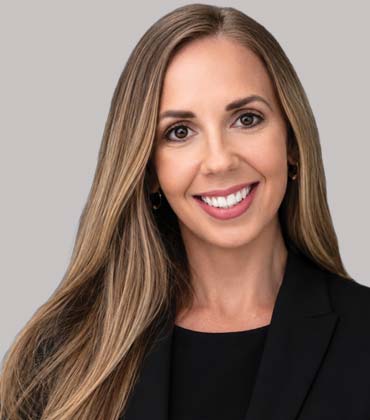
Sarah Staley
Building Trust through Everyday Coaching
Trust is the foundation for everything, for connection, relationships, accountability, collaboration, honesty. You name it. Trust is built through the accumulation of everyday experiences people have at work, whether expectations are clear, whether feedback is honest and constructive, whether people feel safe raising concerns and whether they believe their leaders are genuinely invested in their success. That is where I believe coaching can have a profound impact.
Coaching creates space for leaders to examine how they show up for others. Many behaviors that unintentionally erode trust are not rooted in bad intent at all. They are often habits, solving instead of listening, avoiding a difficult conversation, reacting defensively, holding on too tightly to control or assuming we understand someone else’s perspective before asking. Coaching helps make those patterns visible. Continuous development then gives leaders the opportunity to practice something different until insight becomes sustained behavior change.
Creating a Culture of Support and Growth
Put simply, it begins with psychological safety; the belief that I can speak candidly, ask for help, admit that I do not know something, offer a different perspective or acknowledge a mistake without fear that doing so will diminish how I am viewed. Now that does not mean creating a culture without accountability. In fact, I believe trust and accountability strengthen one another when both are practiced effectively. Employees want and rely on clarity. They want to know where they stand, what is expected of them and that their leader cares enough to have an honest conversation when something needs to change. There is a significant difference between holding someone accountable and making someone feel diminished. Leaders have tremendous influence over that distinction.
Leaders also normalize development by being willing to talk about their own growth. When leaders seek feedback, acknowledge what they are working on, remain approachable and visibly act on what they hear, development stops feeling like remediation and starts becoming part of how people grow. People also need to know that they are seen as more than the role they perform, that their ideas, challenges, aspirations and growth genuinely matter to the people leading them.
From Learning to Leadership Behavior
One of the areas I am most interested in professionally and through my doctoral work is the gap between learning and learning transfer. Organizations invest enormous resources in training. Yet the real question is not whether someone attended a workshop or enjoyed it. The question is what changed afterward? Too often, the honest answer is not enough.
“Trust is no longer something an organization has to say it values. People feel it.”
That question has fundamentally influenced how I approach leadership development. An earlier leadership cohort within my organization was primarily workshopcentered, with limited coaching reinforcement. In the leadership program I am currently leading and evaluating, we intentionally designed a much more integrated experience. Fourteen leaders move through a 16-week journey incorporating formal learning, individual internal and external executive coaching, group coaching, behavioral and emotional-intelligence assessments, workplace application, peer learning and continued reinforcement. The idea here is not simply to create more development. It is to create stronger connections between the development experiences.
I think of it as a continuous cycle of learning, applying, reflecting, receiving feedback, adjusting and practicing again.
Everyday leadership moments provide the opportunity to practice, test and refine new behaviors. Leaders have an opportunity to try a different conversation, delegate differently, coach rather than immediately provide an answer, navigate conflict more effectively or intentionally create greater psychological safety on their teams. Coaching provides the space to examine what happened and determine what to carry forward. That is when learning begins to become leadership behavior.
Why Feedback Shapes Development
Leaders ultimately determine whether organizational values and development efforts become part of the employee experience. A leader can either reinforce growth or unintentionally extinguish it. That is why feedback cannot be reserved for a mid-year or annual review. The most useful feedback is timely, specific and delivered in a way that gives someone an opportunity to do something with it. The same is true of coaching. A coaching culture does not require every manager to become an executive coach. It means developing leaders who are more curious, who listen before solving, who ask better questions and who create ownership in others.
Sometimes a simple question such as, “What options are you considering?” does more for someone’s long-term development than immediately giving them the answer and sharing what you think they should do. Repeated consistently, those moments communicate something powerful: I believe you are capable, your perspective matters and I am invested in your growth.
A Practical Approach for Leaders
I would encourage organizations to focus less on creating more programs and more on connecting the ones they already have. Training, coaching, assessments, performance conversations, succession planning and everyday leadership should not operate as separate activities. They need to reinforce one another to be effective or else they fall flat. We need to become more disciplined about how we define success. Participation rates and satisfaction scores tell us whether people attended and whether they enjoyed the experience. They do not necessarily tell us whether development transferred.
The question I continually come back to is: What is different in the way people lead because of what they learned?
When we begin designing development around that question, and reinforcing, observing and measuring what happens afterward, development becomes much more than a training initiative. It becomes a movement. It becomes a way of being, and it becomes part of how the organization operates. When people consistently experience leaders who listen, communicate openly, hold them accountable with dignity, invest in their growth and create space for their voices to be heard, trust is no longer something an organization has to say it values. People feel it. And that feeling, that oftenintangible sense that people matter, that their voices matter and that someone is genuinely invested in their growth, is ultimately what differentiates a culture.
The articles from these contributors are based on their personal expertise and viewpoints, and do not necessarily reflect the opinions of their employers or affiliated organizations.

Be first to read the latest tech news, Industry Leader's Insights, and CIO interviews of medium and large enterprises exclusively from Manage HR Magazine
